About Parissa
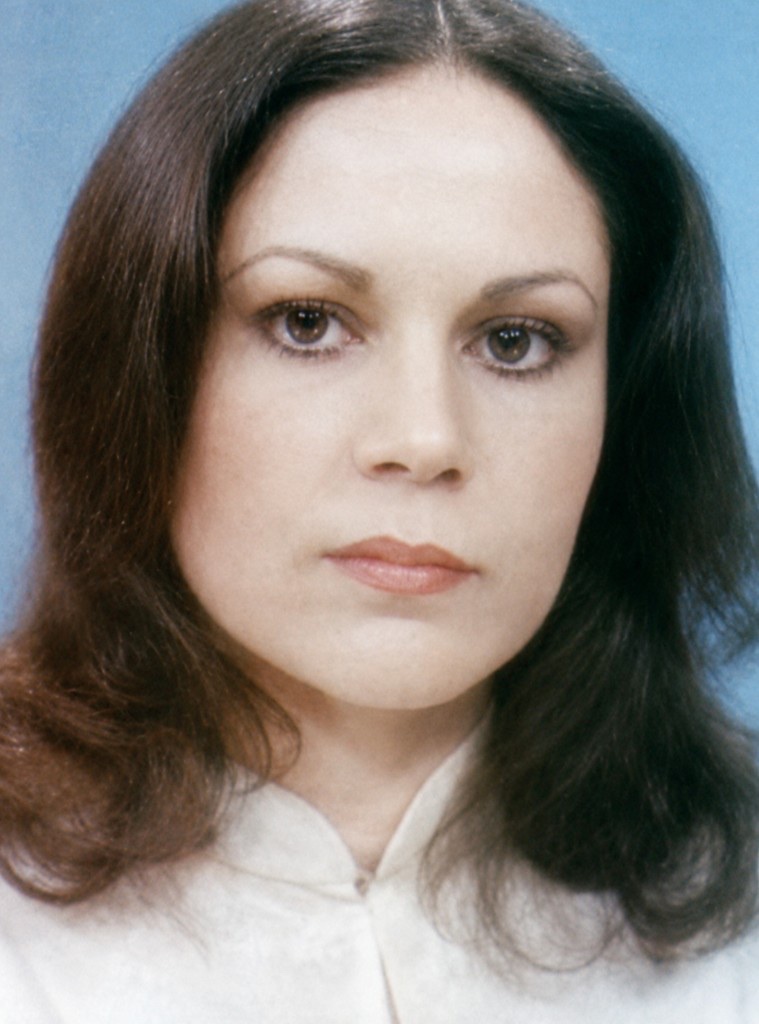
Parissa — born Fatemeh Va'ezi on 16 March 1950 in Tonekabon, a city in north of Iran, along the Caspian coast — is one of the foremost female vocalists in the history of Persian classical music. A master of Avaz, the ancient art of Persian vocal improvisation, and one of the most authoritative living interpreters of the Radif, the melodic repertoire which forms the foundation of Iran's classical music tradition. Her formation began under tutelage of Mahmoud Karimi at the National Music Conservatory (Honarestan-e Musiqi-ye Meli), in Tehran. Karimi recognized her natural gift early on and soon declared her his most promising student — transmitting the full vocal Radif through the traditional master–student method. In the same years she also studied classical and popular vocal repertoire with Abdollah Davami at the Center for Preservation and Propagation of Iranian Music, including preparation for her Shiraz Arts Festival concerts.
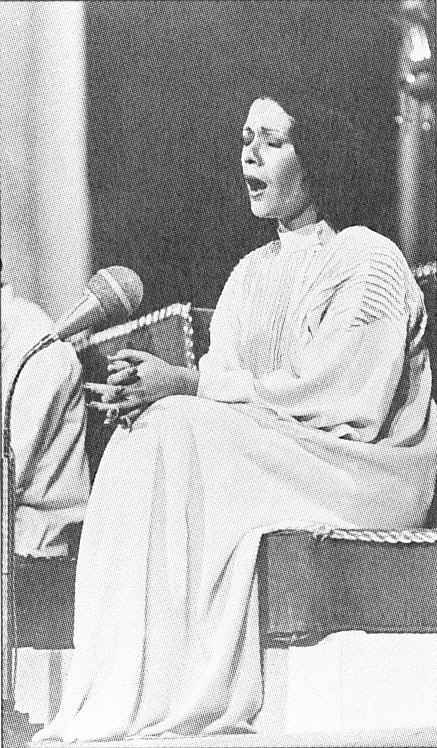
About two years into her apprenticeship with Karimi she was invited to National Iranian Radio and Television (NIRT). She then spent several years as a vocalist with the Ministry of Culture and Art — on national television and in various concerts at the Rudaki Hall, and also all across Iran, as well as cultural tours abroad (including Afghanistan) — principally with Faramarz Payvar's National Instrumental Orchestra, alongside Hooshang Zarif (tar), Mohammad Esmaili (tombak), and Parvin Saleh (gheychak), before joining the Center formally with the invitation of its founder, Dariush Safvat, in 1975. In 1973 she undertook a landmark tour of forty concerts throughout France, in multiple cities, introducing Persian classical music to European audiences. At the Center she recorded multiple recordings for CBS Iran — cassettes that topped Tehran's charts, including Dastgah-e Mahur, Avaz-e Bayat-e Tork, and Bayat-e Esfahan (Ab-e Hayat) — and performed at the Shiraz Arts Festival at the Hafezieh alongside Mohammad-Reza Shajarian, Hossein Alizadeh, Dariush Tala'i, and Parviz Meshkatian. Her third festival appearance (1976) spanned two nights: Shur with Tala'i and Nava with Alizadeh's ensemble, including the tasnif Ala Ey Pir-e Farzaneh, later issued live on CBS.
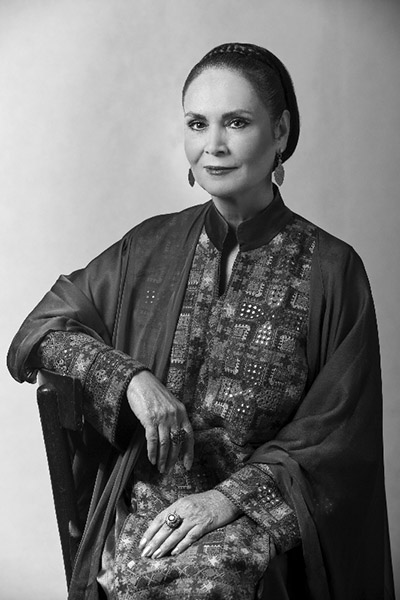
She appeared on Zhaleh Kazemi's Shoma va Television in Avaz-e Bayat-e Tork, and in May 1978 was named the best television-selected singer in authentic Iranian music on the cover of the Zan-e Rooz. That year she was also invited to the Asian Traditional Performing Arts Festival in Japan; the project was documented in the Japan Foundation's Musical Voices of Asia. The 1979 revolution silenced public performance by women. Parissa stayed in Iran and devoted herself to family and teaching. In 1980 the Center invited her back to teach Avaz to women; she accepted and taught there for years while turning her home into a school where women could learn the Radif when almost no other path existed.
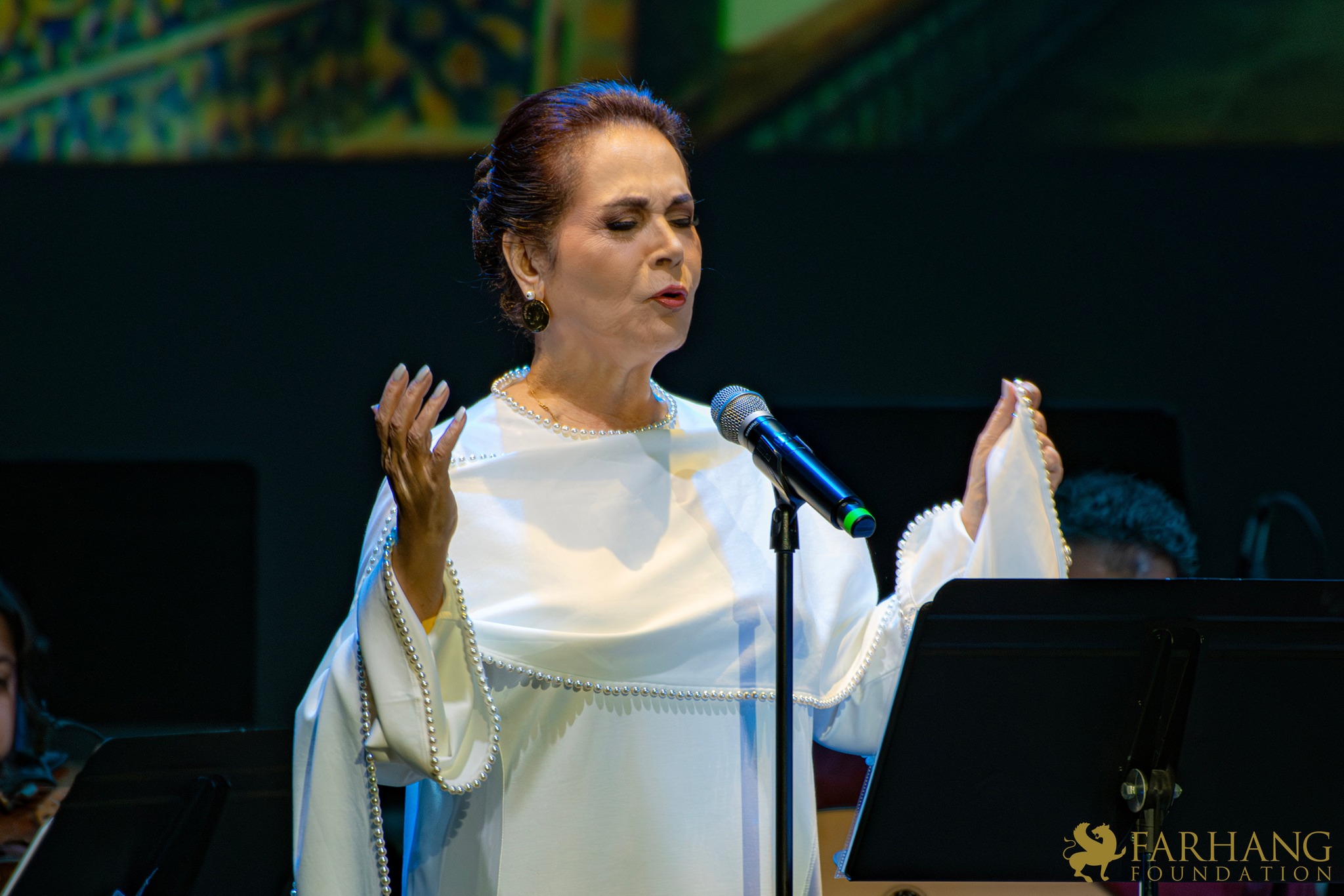
In 1995, after fifteen years of absence from the stage, she returned with Baz Amadam — performing across Europe to profound acclaim. In the decades since, she has appeared at Carnegie Hall, the Barbican in London, Queen Elizabeth Hall, Théâtre de la Ville in Paris, the Smithsonian Folklife Festival, and various other events and festivals spanning the globe. Shoorideh (2003) with the Dastan Ensemble received the Grand Prix du Disque from the Académie Charles-Cros and Choc from Le Monde de la Musique. She has collaborated with many of Iran's distinguished musicians and ensembles throughout the years, including the Dastan Ensemble, Hossein Omoumi and others. In 2018, Parissa received the Bita Prize for Persian Arts at Stanford University — awarded for a lifetime dedication to preserving the best of Iranian classical music and elevating the role of women in this tradition. She has held visiting and teaching engagements at UC San Diego and UCLA, and continues to perform, teach, and inspire students from all over the world. Her approach to music has always been that of a sacred art: a means to reach beyond the everyday, shaped at the Center by Safvat's insistence on the physical and spiritual dimensions of practice and mainly by the spiritual teachings of Ostad Elahi.
Archival stills from Wikimedia Commons (public domain, National Library and Archives of Iran). Contemporary portrait by Saghar Barekat, CC BY-SA 4.0. Performance still courtesy of Farhang Foundation — same series as the homepage hero.
Mission
parissalegacy.org
Parissa Legacy, LLC — preserving and promoting the artistic legacy of Parissa, under her supervision and the stewardship of her immediate family.